
Emotional Independence: Loving Without Losing Yourself
23rd September 2025
How You Can Move From Proving to Improving
27th September 2025
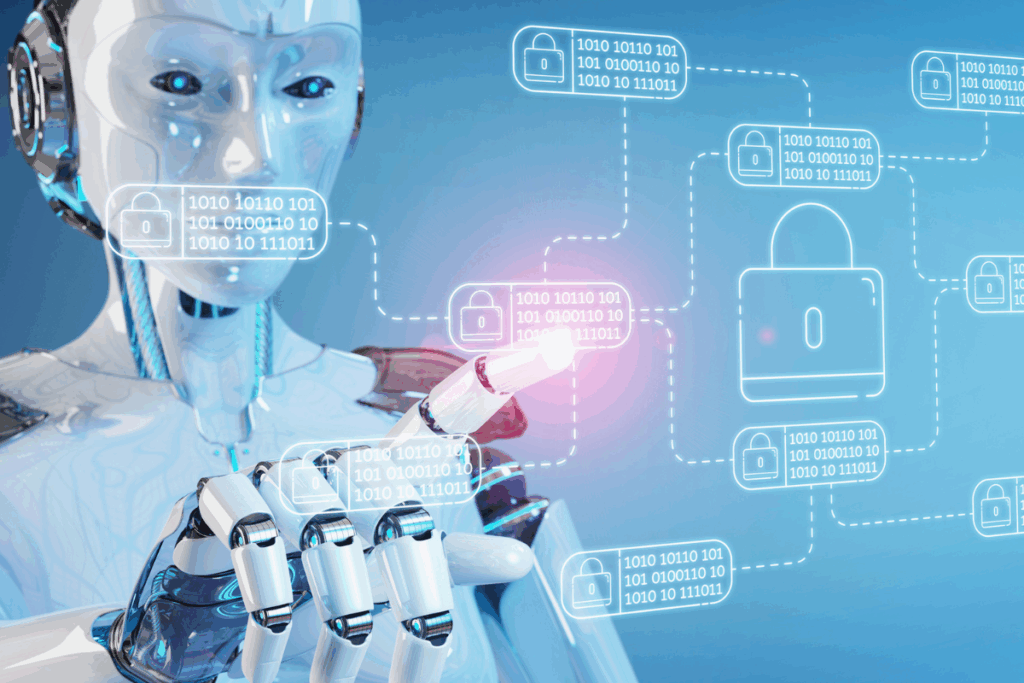
Artificial Intelligence (AI) has become a powerful driver of innovation in business, healthcare, finance, and even personal life. But with great power comes great responsibility—especially when it comes to data security.
AI systems thrive on massive amounts of personal, behavioral, and organizational data. If that data falls into the wrong hands, it can be misused, manipulated, or even weaponized. That’s why protecting your data in today’s AI-driven world is more important than ever.
🚨 Why Data Security Matters More Than Ever
- AI is data-hungry: The smarter an AI, the more data it requires to train and improve.
- Increased attack surface: From smart devices to cloud platforms, AI creates new entry points for cyberattacks.
- Value of personal data: Your browsing habits, voice commands, and biometric info can be more valuable than your bank details.
- AI-powered threats: Hackers now use AI to create more advanced phishing scams, deepfakes, and automated attacks.
🔐 Major Risks to Watch Out For
Data Breaches – Sensitive information exposed due to weak security.
AI Model Theft – Hackers stealing proprietary algorithms or trained models.
Adversarial Attacks – Manipulating AI models by feeding them false data.
Privacy Erosion – AI tools unintentionally leaking personal user information.
Bias & Misuse – Poorly secured data leading to unethical or biased AI outputs.
✅ Best Practices to Secure Your Data
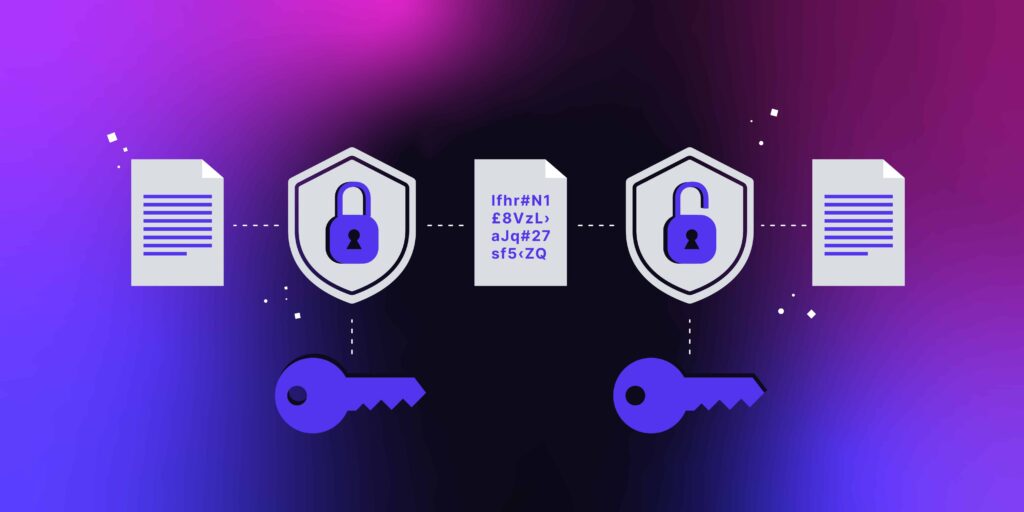
1. Encrypt Everything
- Use strong encryption for data at rest and in transit.
- Ensure AI models and training datasets are also encrypted.
2. Limit Data Collection
- Don’t give apps or platforms more permissions than necessary.
- Use anonymization and pseudonymization when sharing datasets.
3. Adopt Zero-Trust Security
- Never assume any user, device, or application is secure by default.
- Implement strict identity and access controls.
4. Regular Security Audits
- Conduct penetration tests and vulnerability scans.
- Monitor for unusual activity in your systems.
5. AI Against AI
- Use AI-powered cybersecurity tools to detect anomalies and stop attacks faster.
6. Educate Users
- Train employees and users on recognizing phishing, deepfakes, and data scams.