What is Visual Hierarchy and Why is it Important?
25th November 2025
AI agent vs. AI chatbot: Key differences and features
28th November 2025
The “Anchor Mindset” – Anchors don’t stop the storm, they steady the ship.
When situations become chaotic, teams don’t look for perfection, they look for the calmest, most emotionally grounded person in the room. This is the essence of the Anchor Mindset: the ability to stay centered, think clearly, and provide stability when everything around you feels unstable.
What Is the Anchor Mindset?
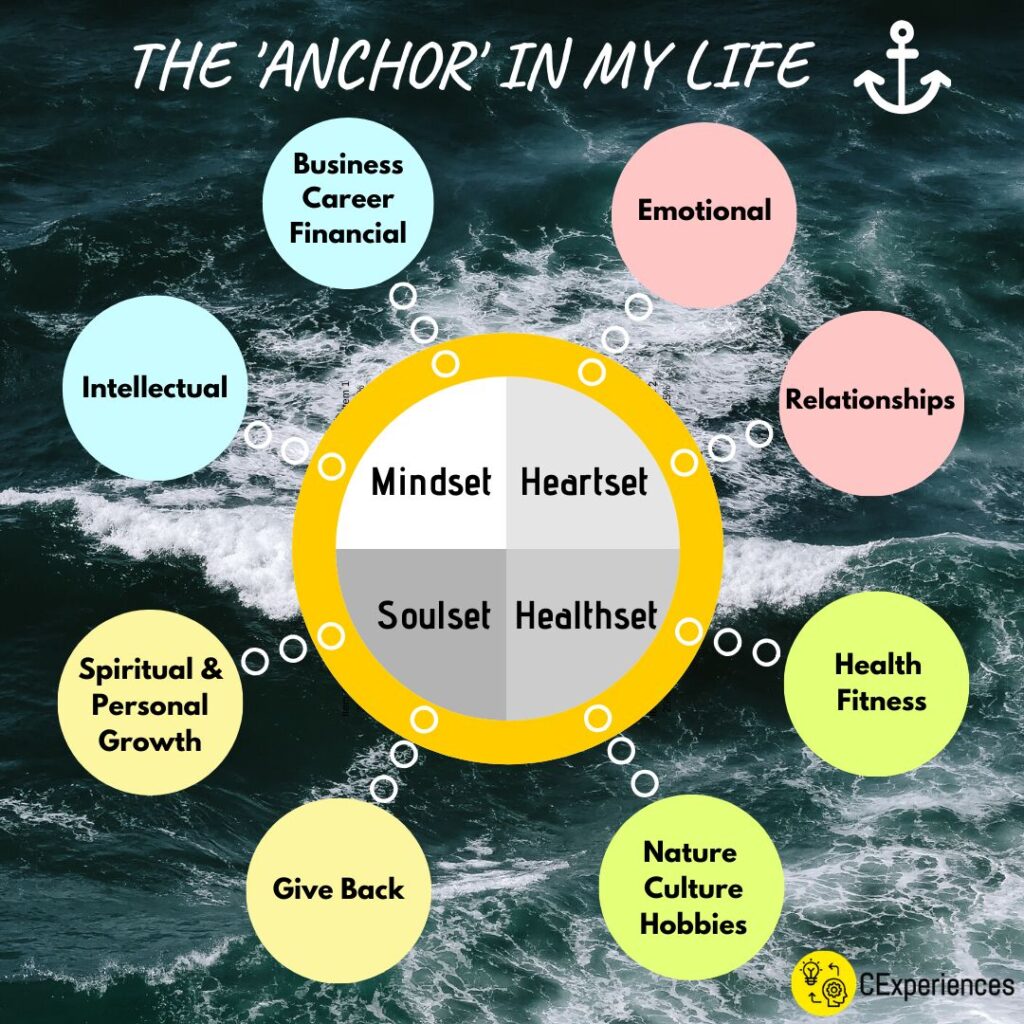
👉It’s the capacity to offer emotional stability and clarity under pressure.
👉It does not mean suppressing emotions or acting robotic.
👉It means staying calm, thinking clearly, and becoming the emotional reference point for your team.
👉An anchor neutralizes chaos rather than absorbing it.
The Science Behind It
- Emotional Contagion Theory
Teams unconsciously mirror the leader’s emotional state.
Calm leader → calmer team. - Neuroception & Safety (Porges)
The brain scans for safety cues.
A steady leader shifts people from survival mode to solution mode. - Cognitive Load Theory
Stress reduces decision-making ability.
Anchor leaders simplify and clarify to reduce overwhelm.
Why Anchors Matter
People crave stability more than instructions during uncertainty.
Anchor leaders help reduce panic, maintain confidence, make clearer decisions, inspire trust, and protect team mental health.
How to Build the Anchor Mindset
- Stabilize Your Inner State First
Calm yourself before responding.
Practice slow breathing before reacting. - Become the Emotional Reference Point
Regulate your emotions so others mirror your calmness.
Speak slightly slower during stress. - Bring Clarity in Confusion
Break problems into smaller steps and communicate direction clearly. - Create Safety Through Transparency
Share what you know, what you don’t, and what’s next. - Separate Facts From Emotions
Focus on reality instead of fear-driven stories. - Respond, Don’t React
Pause before speaking; respond intentionally. - Model Resilience, Not Perfection
Strength comes from consistency and grounded presence, not from acting unbreakable.
The Real Impact
When you become the anchor:
👉Your presence calms people.
👉Your decisions improve.
👉Your team gains confidence.
👉Your environment becomes stable.
👉People trust you, not because everything is certain, but because you are steady.
Final Thought
👉Leadership is most visible during difficult moments.
👉Your calm becomes your team’s calm.
👉Your stability becomes theirs.
👉Be the person who steadies the room.
👉Be the anchor, not the storm.