


How to Install Apache, MySQL and PHP on Ubuntu (Without XAMPP or LAMP)
29 August 2025
Playwright For Test Automation : A Step by Step Guide
16 September 2025
The Gentle Art of Authentic Confidence in Leaders
Leadership has long been associated with decisiveness, boldness, and authority. While these traits hold their place, contemporary leadership increasingly values a quieter, more profound quality—authentic confidence. Unlike the traditional image of leaders who command through volume or dominance, authentic confidence reflects strength rooted in self-awareness, integrity, and respect for others.
This form of confidence is not performative. It does not rely on outward displays of power or control. Instead, it is measured, composed, and grounded in values that inspire trust and commitment within teams. The following dimensions highlight why authentic confidence is indispensable in effective leadership.
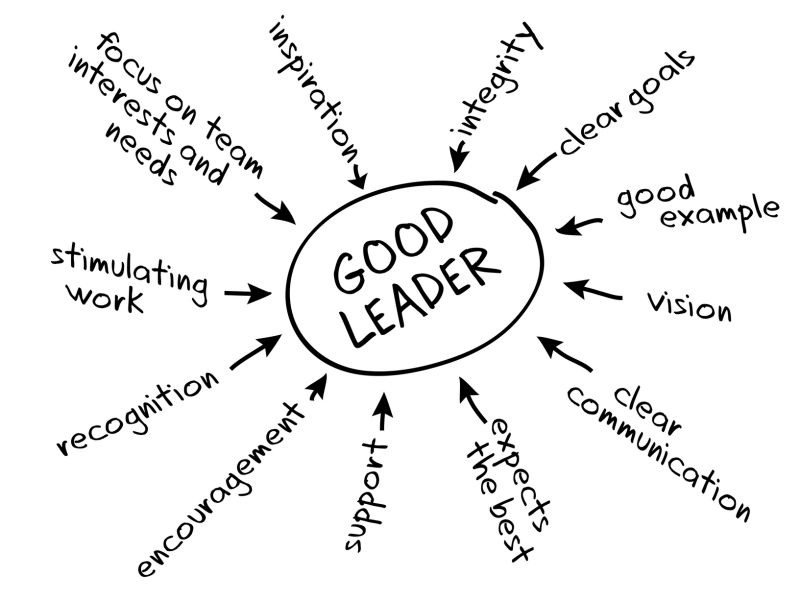
1. Authentic Confidence Versus Ego-Driven Confidence
The distinction between confidence and arrogance is subtle yet significant. Ego-driven leaders often seek validation, assert superiority, and dismiss perspectives that differ from their own. Authentic leaders, however, acknowledge their strengths while remaining aware of their limitations. This humility, paired with conviction, enables them to cultivate respect and credibility rather than fear or resistance.
2. The Strategic Value of Vulnerability
A prevailing misconception in leadership is that vulnerability diminishes authority. On the contrary, when leaders admit to not having every answer or share lessons learned from past challenges, they demonstrate authenticity and resilience. Such openness creates an environment where honesty is encouraged, and individuals feel secure enough to take risks and innovate. Vulnerability, when exercised wisely, strengthens both leader and team.
3. Confidence Grounded in Values
Authentic confidence stems from clarity of values. Leaders who act in alignment with their principles exhibit consistency, even in moments of uncertainty. This alignment fosters stability and predictability, which are essential for building trust. Teams are more inclined to follow leaders whose decisions are guided not by convenience or external pressure but by a steadfast commitment to core values.
4. Listening as a Hallmark of Confidence
Contrary to the notion that authority requires constant assertion, confident leaders often demonstrate their strength through listening. They create space for diverse perspectives, respect alternative viewpoints, and empower others to contribute meaningfully. This approach reflects not only humility but also security in one’s own position—a hallmark of authentic leadership.
5. The Organizational Impact of Authentic Confidence
Authentic confidence does more than define an individual leader; it permeates organizational culture. Teams led with authenticity tend to exhibit higher levels of trust, collaboration, and engagement. Innovation thrives when employees feel supported rather than stifled, and motivation increases when leaders serve as consistent role models of integrity and composure.
6. Cultivating Authentic Confidence
Developing this quality requires deliberate effort. Leaders can cultivate authentic confidence through:
- Self-awareness: Continuously reflecting on strengths and areas for improvement.
- Commitment to learning: Remaining receptive to feedback and new perspectives.
- Humility: Sharing credit, acknowledging mistakes, and prioritizing collective success.
- Value alignment: Ensuring decisions consistently reflect personal and organizational principles.
- Empowerment of others: Building confidence in teams by fostering growth and recognizing contributions.

The gentle art of authentic confidence lies not in dominance but in grounded presence. Leaders who embody this quality are steady in their values, transparent in their actions, and respectful in their interactions. In doing so, they create environments where individuals are empowered to succeed and organizations are positioned to thrive.
In an era where workplaces increasingly prize trust, collaboration, and purpose, authentic confidence is no longer an optional trait—it is a defining standard of effective leadership.