
IPL 2026 vs PSL 2026: Cricket’s Biggest T20 Leagues Compared
25 March 2026
Flask vs FastAPI: Which Python Framework Should You Choose in 2026?
28 March 2026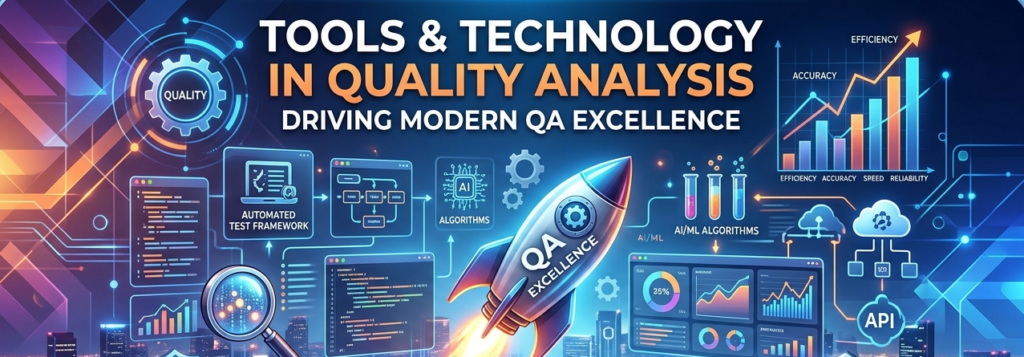
Tools & Technology in Quality Analysis: Driving Modern QA Excellence
Introduction
In today’s fast-moving business world, quality is not just about checking errors—it is about using the right tools and technology to improve performance and efficiency. Modern Quality Analysts rely on advanced tools, automation, and data analysis to ensure high-quality results.
With the growth of digital transformation, Quality Analysis has become smarter, faster, and more accurate.
Top Tools Used by Quality Analysts
Quality Analysts use different tools depending on their industry and work type. Some of the most commonly used tools include:
- Excel – For data analysis, reporting, and tracking quality metrics
- Power BI – For creating dashboards and visual reports
- Quality Management Systems (QMS) – To manage processes and audits
- Bug Tracking Tools (like Jira) – To track defects and issues
- Testing Tools (like Selenium) – For software testing
Example:
A QA in a BPO company may use Excel to track errors, while an IT QA may use testing tools to find software bugs.
How Automation Is Changing Quality Analysis
Automation is transforming how Quality Analysts work. Instead of doing repetitive manual tasks, automation tools can perform testing and checks quickly and accurately.
Benefits of Automation:
- Saves time and effort
- Reduces human errors
- Improves accuracy
- Speeds up testing and reporting
Example:
In software testing, automated scripts can test hundreds of scenarios in minutes, which would take hours manually.
Using Excel, Power BI, or Dashboards for Quality Reporting
Data is very important in quality analysis. Tools like Excel and Power BI help Quality Analysts present data in a simple and clear way.
Excel:
- Used for basic data tracking and calculations
- Helps create reports and charts
Power BI:
- Used for advanced dashboards
- Provides real-time data visualization
Dashboards:
- Show key metrics like error rate, performance, and trends
- Help management make quick decisions
Example:
A dashboard can show daily error rates, helping managers quickly identify if quality is improving or not.
Role of AI in Quality Assurance
Artificial Intelligence (AI) is becoming an important part of Quality Assurance. AI helps in analyzing large amounts of data and predicting problems before they happen.
How AI Helps:
- Detects patterns and trends
- Predicts quality issues
- Improves decision-making
- Supports smart automation
Example:
AI tools can analyze customer complaints and identify common issues, helping companies fix problems faster.
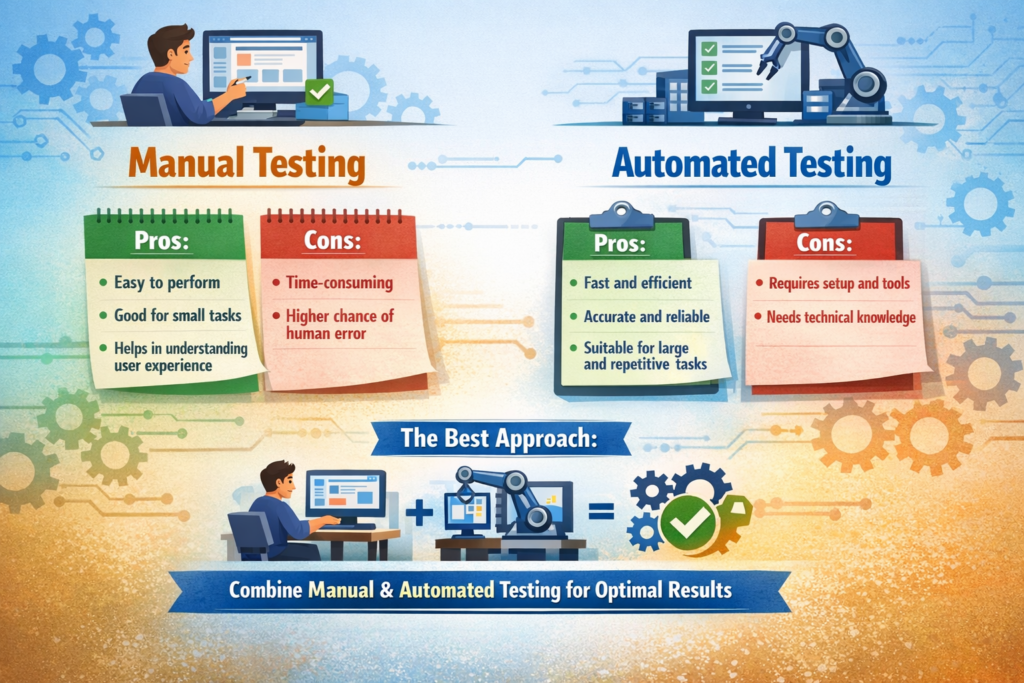
Manual vs Automated Quality Testing: Pros and Cons
Both manual and automated testing are important in Quality Analysis. Each has its own advantages and limitations.
Conclusion
Tools and technology have changed the way Quality Analysts work. From Excel and dashboards to automation and AI, modern QA is more efficient and data-driven than ever before.By using the right tools and technologies, organizations can improve quality, reduce errors, and achieve better business results.
Quality is no longer just a process—it is a technology-driven strategy for success.
Similar Blog :- Click here
For More Info :- Click here