Magento 2 vs WooCommerce vs Shopify: Which Is the Best for E-Commerce?
22nd September 2025
How to Secure Your Data in the Age of AI
25th September 2025
Emotional Independence – Because the healthiest relationships start with a healthy sense of self.
We live in a world that often equates love with sacrifice, dependence, or “losing yourself” for someone else. Movies glorify it, songs romanticize it, and many of us grow up believing that love means becoming inseparable.
But here’s the truth: real love doesn’t erase you — it empowers you.
And that’s where emotional independence comes in.
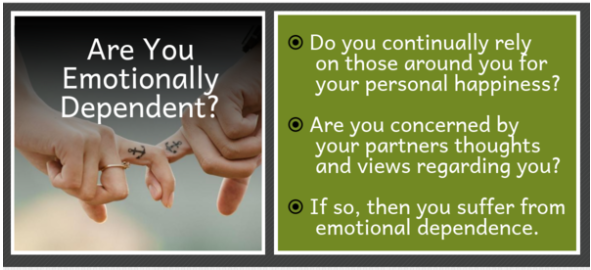
🎯 What is Emotional Independence?
Emotional independence isn’t about detachment, isolation, or not needing anyone.
It’s about having the emotional strength to stand on your own while still being deeply connected to others.
It means:
- You enjoy companionship, but don’t rely on it for self-worth.
- You can support others without losing your balance.
- You don’t need constant external validation to feel valuable.
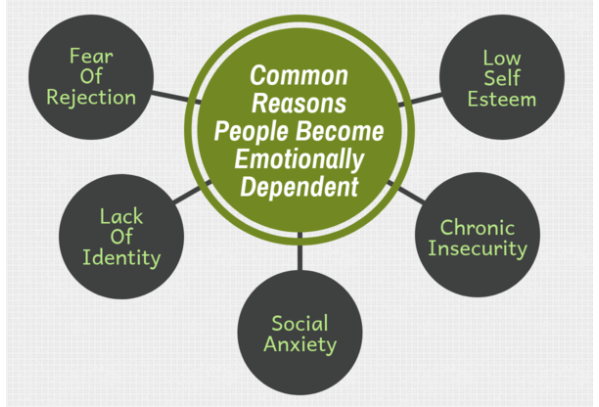
🎯 The Science Behind Emotional Independence
Research in psychology and neuroscience shows that:
➱ Self-Determination Theory (Deci & Ryan, 2000): Humans thrive when three needs are met — autonomy, competence, and relatedness. Emotional independence supports autonomy without sacrificing connection.
➱ Attachment Theory (Bowlby, 1969): Adults with a “secure attachment style” balance closeness with independence. They don’t fear being alone, nor do they push others away — they have healthy boundaries.
➱ Mindfulness Studies: Practices like mindfulness meditation have been shown to reduce emotional reactivity, helping people respond thoughtfully instead of relying on others to regulate their emotions.
In short: the more grounded you are in yourself, the healthier your relationships become.
🎯 The Trap of Social Media Validation
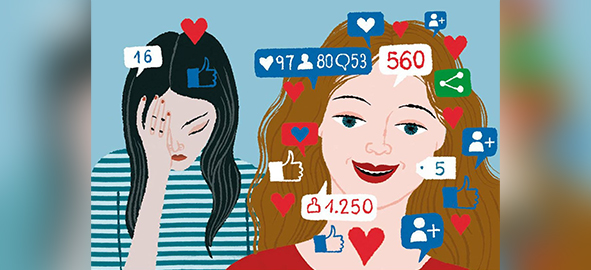
Today, one of the biggest threats to emotional independence is the constant chase for likes, comments, and shares.
At first, it feels harmless — even motivating. But over time, it conditions us to equate digital approval with personal worth.
Studies in neuroscience show that receiving likes on social media activates the brain’s reward system, releasing dopamine — the same chemical triggered by addictive behaviors. This creates a cycle: the more we rely on likes to feel good, the more dependent we become on external validation.
The danger?
- Self-worth becomes fragile — tied to numbers instead of inner confidence.
- Comparison intensifies — we measure our value against highlight reels of others.
- Anxiety increases — when engagement doesn’t meet expectations, we feel invisible or unworthy.
True emotional independence means breaking free from this loop. Your worth is not measured by algorithms — it’s measured by the way you honor yourself.
🎯 Why Emotional Independence Matters in Life and Work
Whether in personal relationships or in the corporate world, emotional independence is a superpower.
✅ In love: You can give freely without fearing loss or rejection.
✅ In friendships: You celebrate others without comparison.
✅ At work: You stay resilient under criticism and aren’t swayed by office politics.
✅ As a leader: You inspire trust because your confidence comes from within, not from applause.
🎯 How to Build Emotional Independence
Like any skill, it can be practiced and strengthened:
- Develop self-awareness ➱ Journaling, meditation, or therapy can help you recognize when you’re depending too much on external validation.
- Set boundaries ➱ Learn to say no without guilt. Protecting your time and energy isn’t selfish; it’s self-respect.
- Build self-trust ➱ Keep promises to yourself. Each time you follow through, your confidence grows.
- Limit digital validation ➱ Use social media as a tool, not a mirror. Share authentically, but don’t measure yourself by engagement.
- Cultivate resilience ➱ See rejection or criticism as feedback, not as a reflection of your worth.
🎯 Final Thought: Loving Without Losing
Love is beautiful. Relationships are powerful. Connection is essential.
But they’re not meant to replace your individuality.
The strongest partnerships are built when two whole people choose to walk together — not when one loses themselves in the other.
And in today’s digital world, emotional independence also means remembering:
The person in the mirror matters more than the numbers on a screen.
So the next time you post, don’t just wait for likes.
Like the person you already are.
Loving yourself isn’t optional — it’s essential.