

Engine Control Room
Technologies
Backend
 JavaScript
 PHP
 Python
 Microsoft SQL Server
JavaScriptPHPPythonMicrosoft SQL Server
Tools / Platforms
 Unity
 C#
 Blender
 Maya
Unity
C#
Blender
Maya
Features
Smart features crafted for a seamless digital experience.
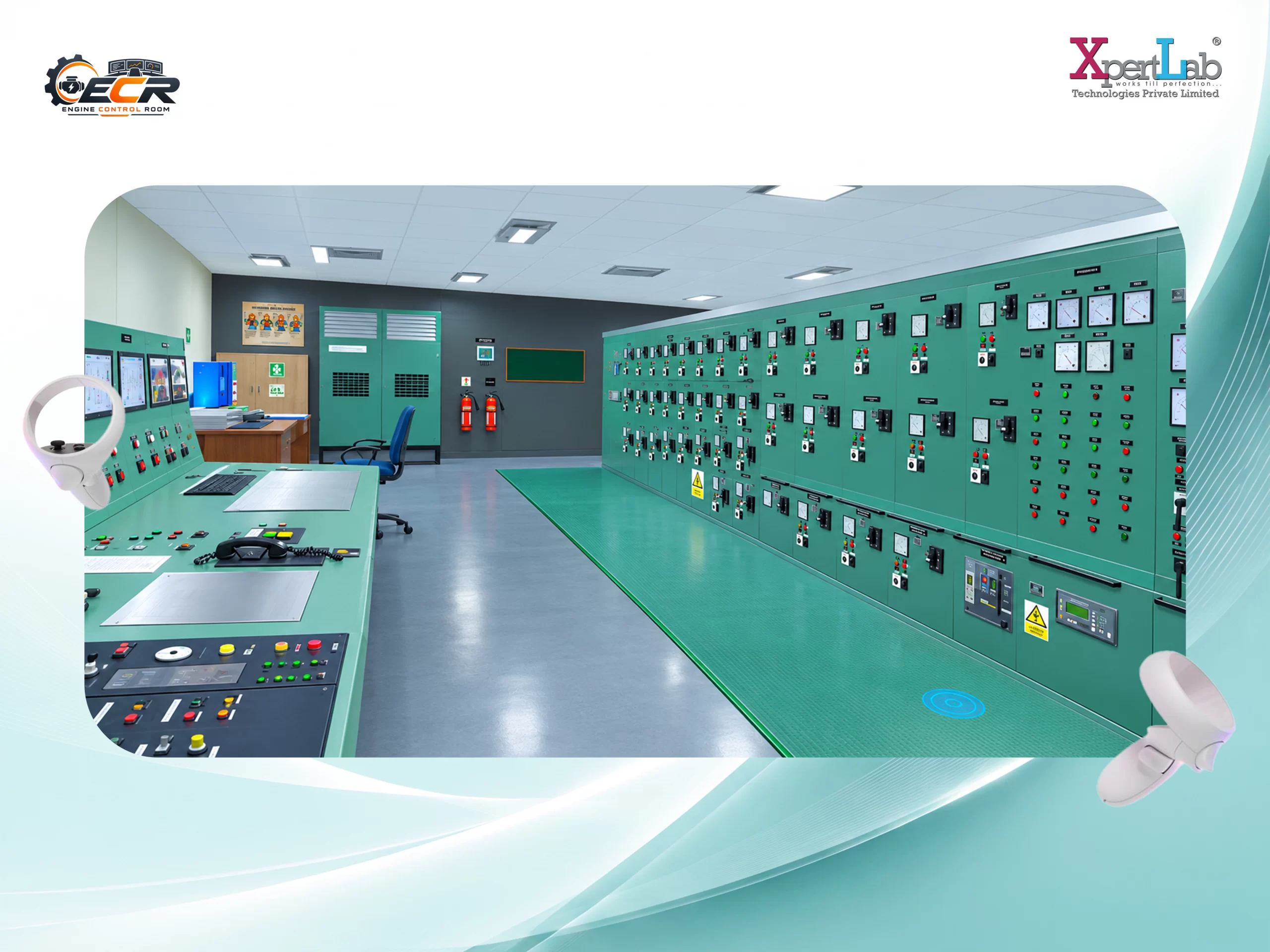
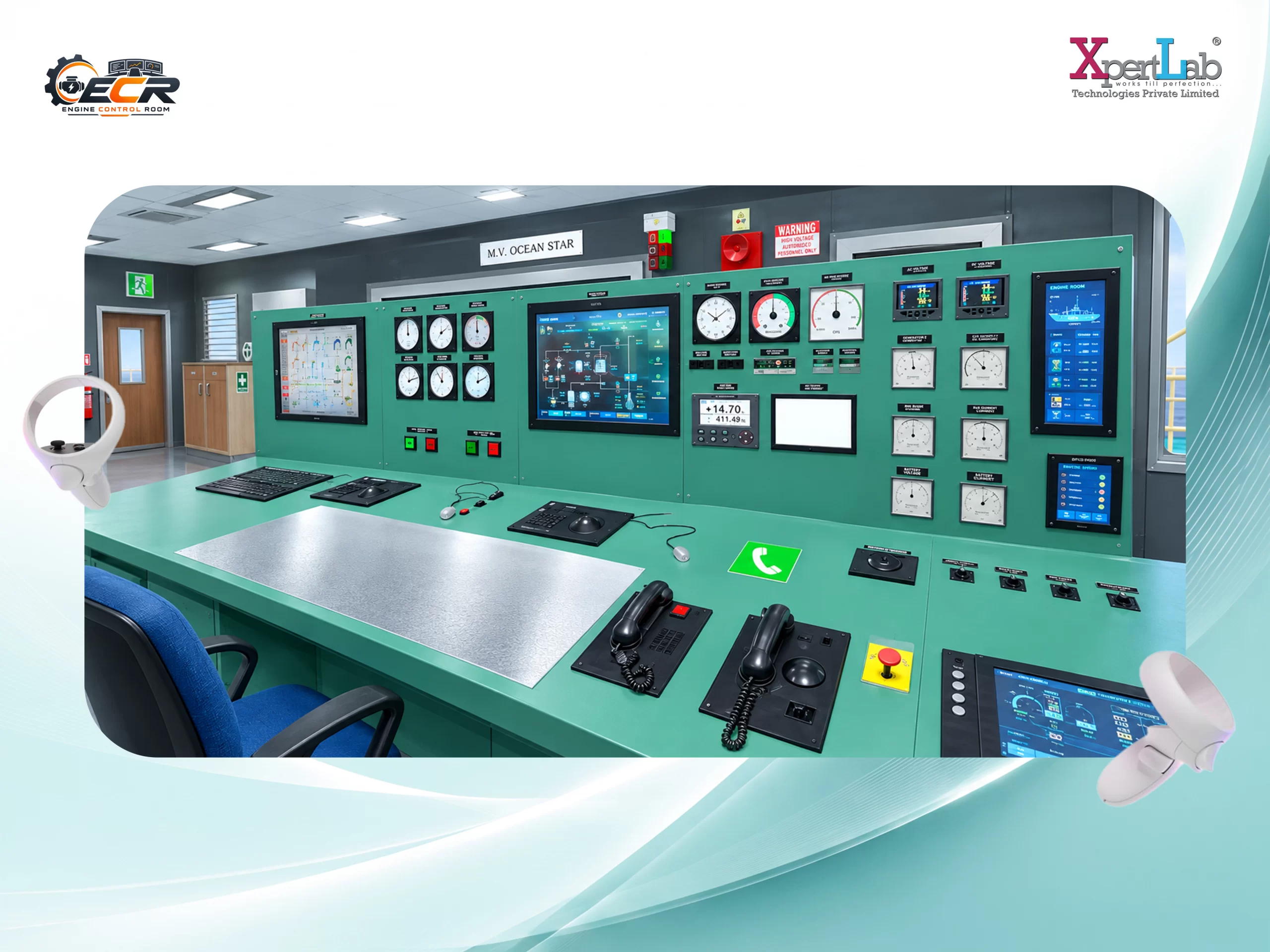
Immersive Engine Room Simulation
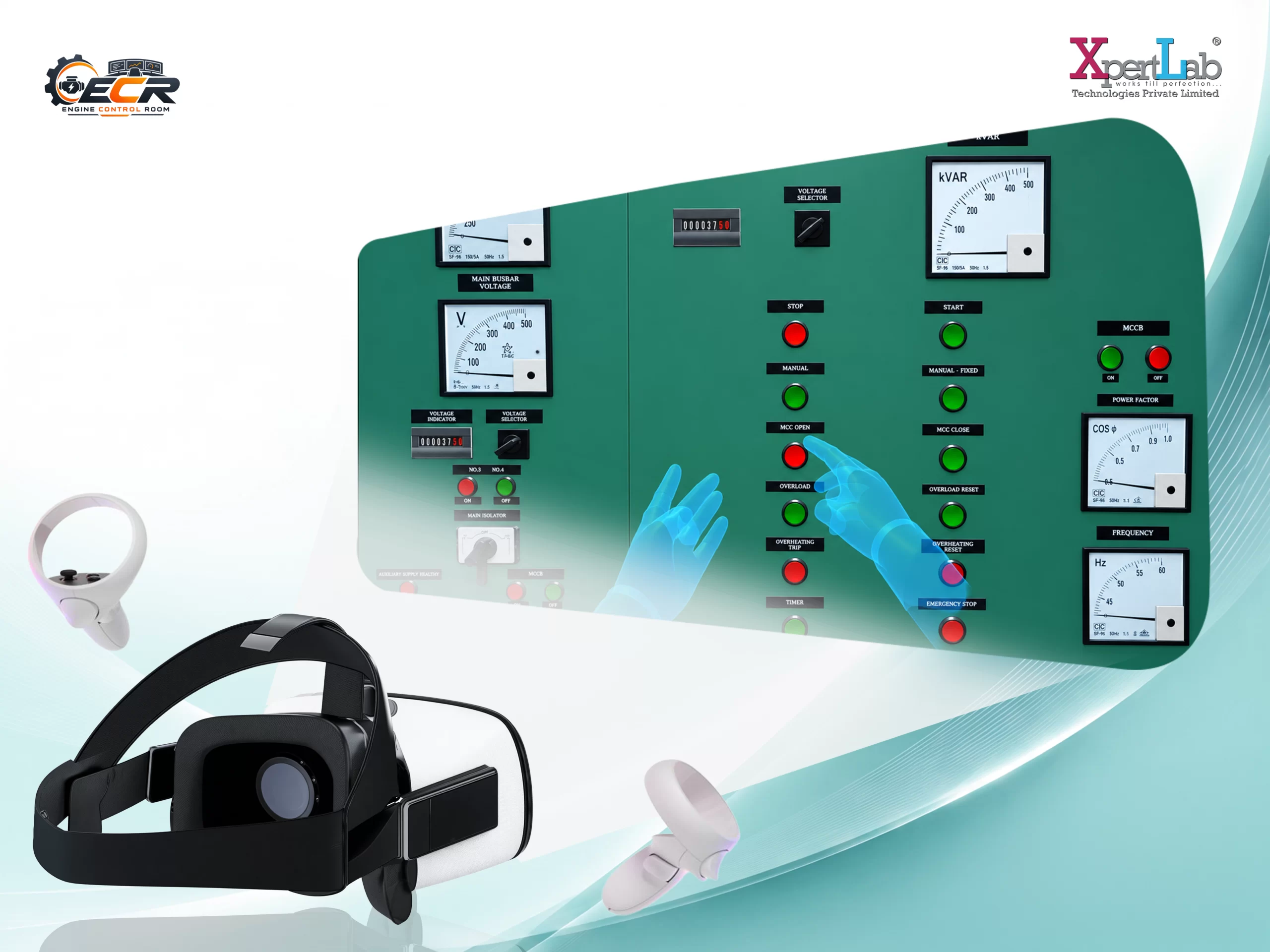
A realistic room-scale VR environment that recreates a ship’s Engine Control Room for hands-on maritime engineering training.
Secure Trainee Login
Trainees log in through the HIMT learning-management backend to access their assigned training modules and sessions.
Modular Training System
Trainees can select specific training modules based on the skills and engine-room procedures they need to practice.
Guided & Assessment Modes
Supports both Guided/Training mode for learning procedures and Assessment/Exam mode for evaluating trainee performance.
Physical Equipment Interaction
Trainees interact naturally with virtual engine-room equipment, including levers, push-buttons, valves, telegraph controls, and telephones.
Sequential Procedure Training
Each exercise follows an ordered sequence of operations, helping cadets learn and perform engine-room procedures step by step.
Real-Time Performance Scoring
Every trainee action is evaluated as correct or incorrect, providing immediate and measurable performance feedback.
Interactive Telegraph Communication
Simulates shipboard telegraph operations and communication procedures as part of the training workflow.
Telephone Call-and-Response
Includes interactive telephone scenarios where trainees practice operational communication and required responses.
Performance Analytics
Captures the trainee's performance vector to provide structured data about their accuracy and overall training outcome.
Session Telemetry
Records session-level telemetry and interaction data, enabling detailed analysis of how trainees perform throughout the simulation.
REST Backend Integration
Performance results and session telemetry are automatically POSTed to two REST backends for centralized data collection and learning-management integration.